
Author: admin

Home Staging Tips That Sell How to Prepare Your Property Like a ProHome Staging Tips That Sell How to Prepare Your Property Like a Pro

When it comes to selling your home, first impressions aren’t just important — they’re everything. Buyers often make up their minds within the first few moments of stepping inside a property. That’s where home staging comes in. It’s the art of presenting your home in the best possible light to appeal to as many buyers as possible. And no, it’s not about faking it or covering flaws — it’s about showcasing the potential your home truly has.

Whether you’re selling a cozy apartment or a sprawling family house, staging can dramatically affect how quickly your property sells — and even how much it sells for. Here are tried-and-true home staging tips that real estate pros swear by — and that you can do too.

1. Start With a Deep Clean (Yes, It Matters More Than You Think)

Let’s be honest — no one wants to walk into a dirty home, especially when they’re considering buying it. So roll up your sleeves (or hire a professional cleaner) and give your home a top-to-bottom scrub.

Pay special attention to:

  • Windows (let the light in!)
  • Floors and baseboards
  • Kitchen appliances and countertops
  • Bathroom grout and fixtures

A spotless home not only looks better but also sends the message that the property has been well-maintained.

2. Declutter Like You Mean It

When it comes to staging, less is always more. You want buyers to notice the space, not your stuff. So pack away personal items, remove excess furniture, and clear countertops.

This not only helps rooms appear larger, but it also allows potential buyers to imagine their own lives unfolding in the space — not yours.

Here’s a good rule of thumb: for every shelf or surface, remove about 50% of the items. Trust us, it’ll make a huge difference.

3. Depersonalize Your Space

Yes, that wall of family photos is lovely — but buyers need to picture their family there, not yours.

Remove:

  • Family portraits
  • Personal collections
  • Kids’ artwork and toys (at least most of them)

Replace them with neutral, tasteful art or mirrors that reflect light and add a sense of space.

4. Maximize Light and Space

Lighting can make or break a room. A well-lit Home Staging feels bigger, more inviting, and more cheerful. So open those curtains, clean the windows, and let natural light flood in. Add floor lamps or table lamps in darker corners to keep things bright and cozy.

If a room feels small, use mirrors to reflect light and add the illusion of more space. Also, consider rearranging or removing furniture to create better flow.

5. Neutral Tones = Universal Appeal

While your bold red accent wall might be your pride and joy, it might not be everyone’s taste. When staging, aim for neutral tones — whites, creams, soft greys, and beiges — on walls, bedding, and large furniture.

These shades create a blank canvas that allows buyers to imagine putting their own stamp on the space.

That doesn’t mean everything has to be boring! Add pops of color with cushions, throws, or a vase of fresh flowers.

6. Create Inviting “Moments” in Every Room

Think of each room as an experience. Ask yourself: What is this space saying to the buyer?

  • In the living room: Arrange furniture to promote conversation and relaxation.
  • In the bedroom: Make the bed with crisp linens and plush pillows.
  • In the kitchen: Clear off counters and add a bowl of fresh fruit or a cookbook.
  • In the bathroom: Roll fluffy towels, add a candle, and maybe a small plant.

These subtle details make a house feel like a home.

7. Don’t Forget Curb Appeal

First impressions start at the curb, so don’t neglect the exterior.

Quick wins include:

  • Mowing the lawn
  • Trimming hedges
  • Cleaning the front door
  • Adding potted plants or a welcome mat

You want buyers to be excited before they even step inside.

8. Highlight Key Features

Have a fireplace? Built-in shelves? A great view? Make sure these features are showcased, not hidden.

Pull furniture away from focal points so they stand out. Open the curtains to reveal views. Place lighting strategically to draw attention to architectural details.

You want buyers to remember what makes your home special.

9. Add Life — Literally

Plants and fresh flowers can breathe life into any room. They add color, texture, and a sense of freshness.

A simple vase of tulips in the dining room or a leafy plant in the corner of the living room can go a long way in making the space feel vibrant and cared for.

10. Think Like a Buyer

Finally, take a step back and try to see your home through a buyer’s eyes. Better yet, ask a friend (who isn’t afraid to be honest) to walk through and point out anything that feels “off.”

What you may have stopped noticing — like a squeaky door, outdated light fixture, or a faint smell — could be a dealbreaker for someone else.

In Conclusion: Stage It, Sell It

Home staging doesn’t have to be expensive or overwhelming. With a bit of effort, a keen eye, and some strategic edits, you can transform your property into a place that buyers can’t resist.

Remember: you’re not just selling four walls — you’re selling the dream of a new beginning.

So fluff those pillows, light that candle, and show your home in its very best light. Because when you stage like a pro, you sell like one too.
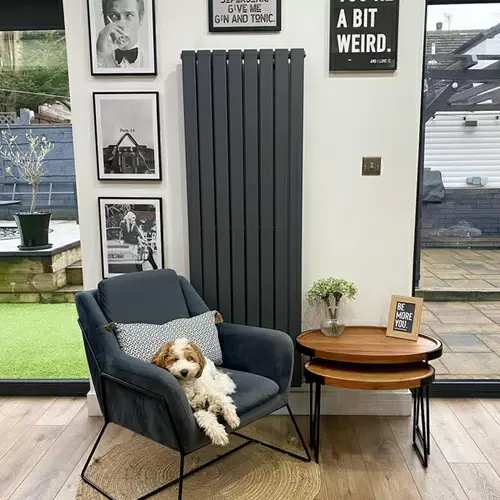
How Radiators Work The Science Behind Efficient HeatingHow Radiators Work The Science Behind Efficient Heating

When the weather turns cold, and the chill seeps into your bones, there’s nothing quite like the comforting warmth of a radiator. But have you ever wondered how these marvels of home heating work? Whether you’re cozying up in a modern apartment or lounging in a classic home, radiators are an essential feature in many buildings. In this article, we’ll break down the science behind radiator and explore how they efficiently warm our spaces.

The Basics: What is a Radiator?

A radiator is essentially a device designed to transfer heat into a room, warming the air and surfaces around it. The key principle behind this process is heat transfer – the movement of thermal energy from a warmer object to a cooler one. Radiators come in many shapes and sizes, but they all operate on the same fundamental concept.

There are two main types of radiators: hot water radiators (also known as hydronic radiators) and steam radiators. Both use water or steam to transfer heat, but the way they work and the systems they’re part of differ slightly. Regardless of the type, the core principle remains the same – heat energy is transferred to the surrounding air, which then circulates around the room.

The Science of Heat Transfer

Radiators rely on two primary mechanisms to warm up a room: convection and radiation. Let’s break these down.

  1. Convection: This is the process by which heat is transferred through the movement of air. When a radiator heats up, the air directly around it warms up. As the air becomes lighter and rises, it creates a cycle of warm air rising and cooler air sinking, setting up a continuous flow of air throughout the room. This process can make a room feel uniformly warm, with no cold spots.
  2. Radiation: In addition to warming the air, radiators also radiate heat directly onto objects in the room. Think of this like the warmth you feel when you sit near a campfire. The heat comes not just from the surrounding air but directly from the radiator itself. This process is known as radiant heat, and it’s particularly effective at warming objects and people in the room rather than just the air.

The Role of Water or Steam in Radiators

Now, let’s dive into how the heat actually gets to the radiator. Most traditional radiators work through a system that involves either hot water or steam.

  • Hot Water Radiators: These systems use water that’s heated by a boiler. The water is pumped through pipes into the radiator, where it releases its heat. Once the water has cooled down, it returns to the boiler to be reheated. The heated water can maintain a relatively consistent temperature, which is ideal for producing steady, long-lasting warmth.
  • Steam Radiators: In older systems, steam is used instead of water. A boiler generates steam, which travels through pipes and into the radiator. When the steam condenses, it releases heat. Once the steam cools, it condenses back into water and is returned to the boiler for reheating. While steam systems are less common today, they’re still present in many older buildings.

Efficiency and Comfort: How Radiators Keep You Warm

You might be wondering why, despite the warmth, some spaces still feel chilly, even with a radiator running. The secret lies in how efficiently the radiator operates and how well the heat is distributed. Here’s what you can do to maximize your radiator’s performance and ensure your space stays cozy:

  1. Thermostatic Control: Modern radiators often come with thermostatic controls that allow you to regulate the temperature. Setting the right temperature ensures that the radiator isn’t working harder than it needs to, helping save energy and reduce costs.
  2. Airflow and Placement: For a radiator to work efficiently, it needs to have proper airflow. Avoid placing furniture directly in front of it, as this can block the warm air from circulating. The warmer the air around the radiator, the more effective the heat transfer.
  3. Bleeding the Radiator: Over time, air can get trapped in your radiator, causing it to heat up unevenly. Bleeding the radiator, or releasing the trapped air, ensures that hot water can circulate freely, allowing for more efficient heating.
  4. Insulation: Insulating your home properly helps retain the heat produced by the radiator. If your walls and windows are drafty, much of the heat will escape, making the radiator work harder than it needs to. Sealing gaps and adding insulation will help the radiator’s efficiency.

Modern Innovations: Radiators and Sustainability

While traditional radiators are effective, modern technology has brought forward some exciting innovations that make heating systems even more energy-efficient and environmentally friendly.

  • Electric Radiators: These offer an alternative to the traditional hot water and steam systems. Electric radiators can be powered by renewable energy sources like solar or wind, providing a cleaner, greener heating option. Plus, many electric radiators come with smart thermostats that can be programmed to only heat the room when needed, saving energy.
  • Low-Temperature Systems: Newer hydronic radiators operate at lower temperatures, meaning they use less energy while still providing effective heat. These systems often work in tandem with energy-efficient heat pumps, which can provide heating with a fraction of the energy required by traditional boilers.

Conclusion

Radiators may seem like simple devices, but they’re a perfect example of how science and engineering work together to make our lives more comfortable. From the way they transfer heat to the innovations that make them more energy-efficient, radiators have evolved to meet the needs of modern living. Whether you’re enjoying the warmth of an old steam radiator or a sleek electric model, the science behind them is designed to keep you cozy without wasting energy.

Understanding how radiators work can not only help you maintain a comfortable home but also allow you to make informed choices about your heating system, keeping both your home warm and your energy bills under control. So the next time you feel that lovely warmth radiating from your radiator, remember, it’s not just magic – it’s science at work!